Diesel Generator Load Bank Testing Solutions for Factory Acceptance and Maintenance
Load bank testing is a critical process in the lifecycle of diesel generators, especially during factory acceptance testing (FAT) and routine maintenance. A diesel generator load bank allows engineers to simulate real-world electrical loads—without relying on actual site conditions—to verify performance, reliability, and safety before deployment. For manufacturers, integrating high-quality load banks into production lines ensures compliance with international standards such as IEC 60348 and IEEE 1547, which specify testing procedures for generator sets under varying load profiles.
There are three primary types of load banks used in diesel generator applications: resistive, reactive, and combination (RLC). Resistive load banks simulate pure power consumption like lighting or heating systems, while reactive load banks mimic inductive or capacitive loads from motors or transformers. RLC load banks provide full-spectrum testing by combining all three components, making them ideal for comprehensive validation of engine cooling, voltage regulation, and fuel efficiency across different power factors.
In a typical factory setting, a portable three-phase resistive load bank rated at 500 kW at 480 VAC can be used to test multiple generator models simultaneously. These units often feature remote monitoring via Modbus RTU or Ethernet interfaces, allowing technicians to log temperature rise, current draw, and power factor over time. Thermal protection mechanisms—such as fan speed control and automatic shutdown at 90°C—prevent overheating and ensure safe operation during extended tests lasting up to 24 hours.
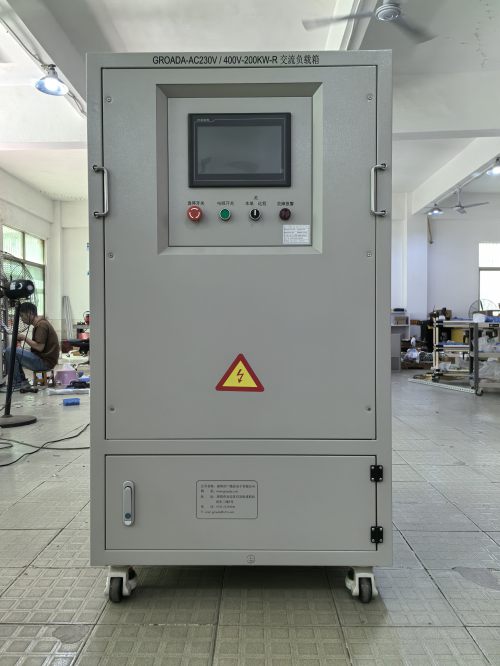
Manufacturers also benefit from standardized load bank design per IEC 60034-1, which defines motor and generator thermal limits based on insulation class. This ensures that test results correlate directly with real-world operating conditions. In an anonymized case study from a generator OEM in Southeast Asia, a 1000 kVA diesel generator passed FAT after running a 75% load cycle for 6 hours using a calibrated reactive load bank—identifying a minor governor response delay that was corrected before shipment.
For procurement teams and operations managers, choosing the right load bank involves evaluating key parameters: power rating (kW/kVA), phase configuration (single or three-phase), cooling method (air or water), and portability features like lifting eyes or forklift pockets. Ensuring CE/UL certification guarantees compliance with regional safety regulations and reduces liability risks during installation.
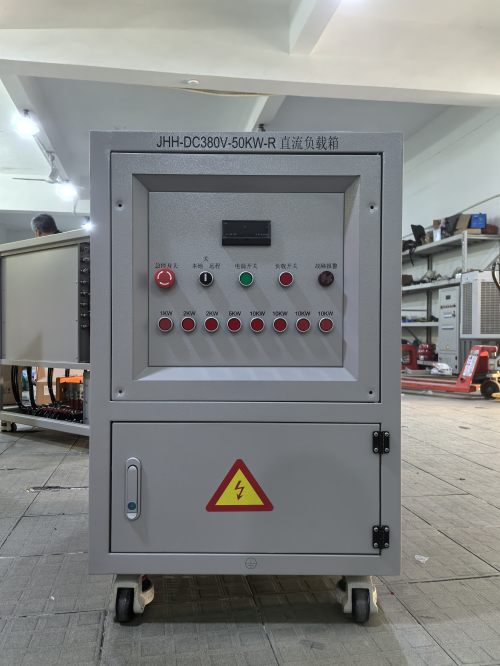
Whether for new unit validation or periodic maintenance, diesel generator load bank testing remains an essential engineering practice—not just a compliance checkbox but a strategic tool for improving uptime, reducing unexpected failures, and extending asset life.