Portable Load Bank for Generator Testing and Power System Validation
Portable load banks are essential tools for testing generators, uninterruptible power supplies (UPS), and renewable energy systems such as solar or wind farms. These devices simulate real-world electrical loads to verify the performance, stability, and safety of power generation units under various operating conditions—from idle to full capacity. A well-designed portable load bank allows engineers to conduct factory acceptance tests (FAT), commissioning checks, preventive maintenance, and emergency preparedness drills without requiring a connected grid or actual consumer load.
Resistive load banks primarily dissipate power as heat through precision resistor elements and are ideal for testing diesel or natural gas generators in single-phase or three-phase configurations. They offer straightforward control over active power (kW) and can be used with variable power factor settings to mimic different types of electrical loads. Reactive load banks, often using inductive or capacitive components, allow for reactive power (kVAR) simulation, which is critical when validating voltage regulation and excitation systems in alternators—especially in applications like microgrids or isolated power stations.
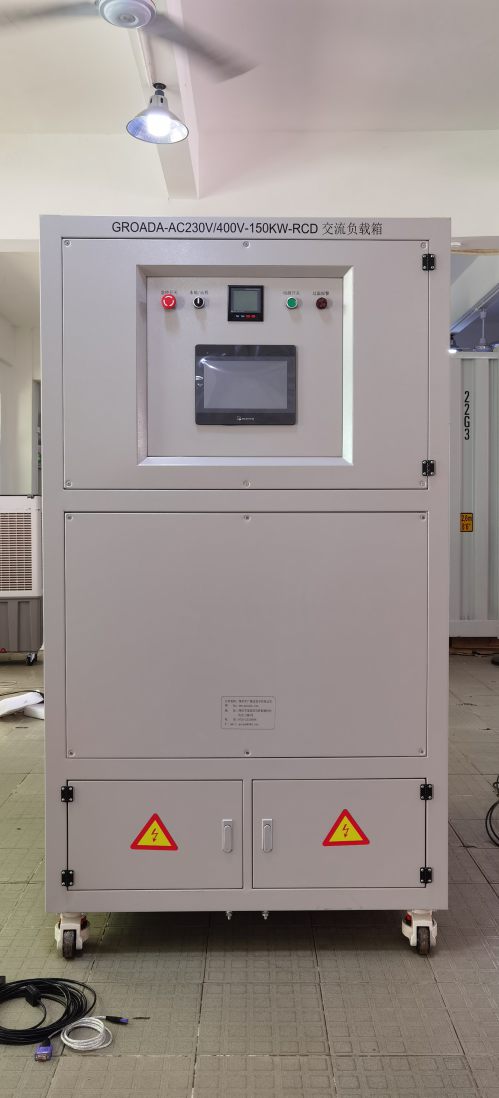
For advanced validation, combination (RLC) load banks integrate resistive, inductive, and capacitive elements into a single unit, enabling comprehensive testing across both active and reactive power domains. These systems are frequently used during grid interconnection testing for wind turbines or photovoltaic plants where compliance with IEC 61400-21 or IEEE 1547 standards is required. Modern portable models feature digital controls, remote monitoring via Modbus TCP or Ethernet, and thermal protection that automatically shuts down if temperature thresholds exceed safe limits (typically >85°C).
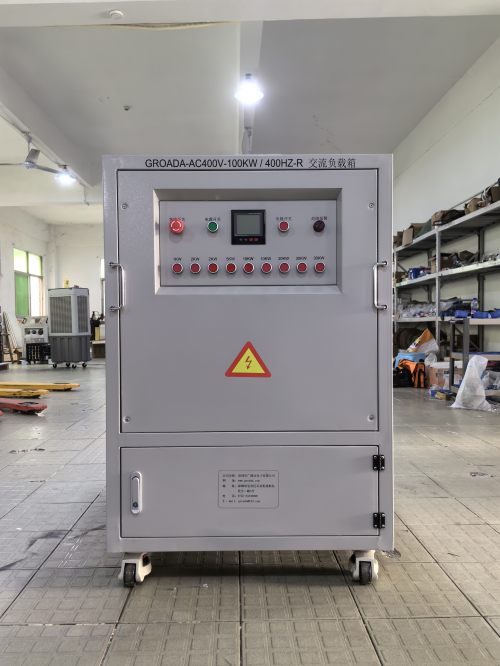
Mechanical design considerations include robust IP54-rated enclosures, forklift pockets, lifting eyes, and compact dimensions for easy transport. Cooling methods range from forced-air convection (for up to 500 kW) to water-cooled systems (for installations exceeding 1 MW). Safety certifications such as CE, UL, and CCC ensure global market readiness. Calibration intervals should not exceed 12 months, with recommended replacement cycles for fan assemblies and resistor blocks every 3–5 years depending on usage intensity.
An anonymized case study from a utility company in Germany demonstrated how a 200 kVA portable resistive load bank validated a new backup generator before deployment at a hospital site. The test revealed an incorrect voltage regulator setting that was corrected prior to installation—avoiding potential downtime during a blackout. This example illustrates the value of pre-deployment load testing in mission-critical infrastructure.