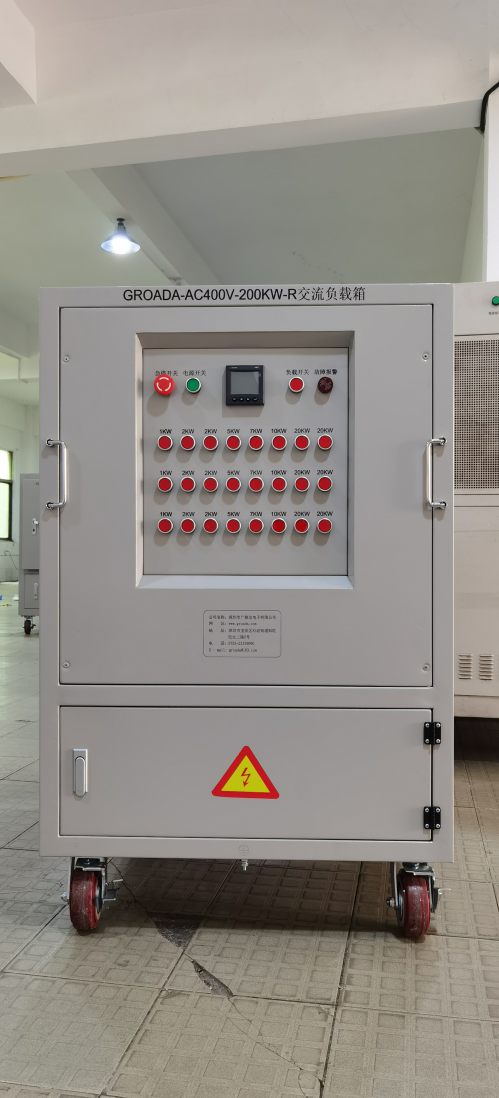
How to Load Bank in Zebra for Generator Testing and Performance Validation
When it comes to testing generators, especially in remote or off-grid environments where reliability is critical—such as in mining, telecommunications, or emergency power systems—a proper load bank setup is essential. One often overlooked but highly effective method is using a "load bank in zebra," a term that refers to the strategic deployment of multiple load banks arranged in a pattern resembling the black-and-white stripes of a zebra. This approach ensures even thermal distribution across all phases, prevents hot spots, and improves test accuracy.
A typical zebra load bank configuration involves alternating resistive and reactive loads (or combining both) across three-phase circuits, which helps simulate real-world electrical conditions more effectively than single-phase loading. For instance, a 300 kW generator might be tested with a resistive load bank at 75% capacity followed by a reactive (inductive) load bank at 25%, then reversed in sequence to balance heat dissipation. This staggered, phased application mimics how the generator will actually operate when connected to an industrial facility or grid.
To implement this method successfully, technicians must first determine the generator’s rated output (in kVA), ensure the load bank’s voltage compatibility (e.g., 480 VAC), and verify that the load bank can handle the full load duration required for testing—typically 1 to 4 hours depending on IEC 60034-1 standards. The use of digital load banks with Modbus or CAN communication allows automated control and monitoring of active power, reactive power, and power factor during the test. Remote monitoring via Ethernet enables field engineers to log data without being physically present.
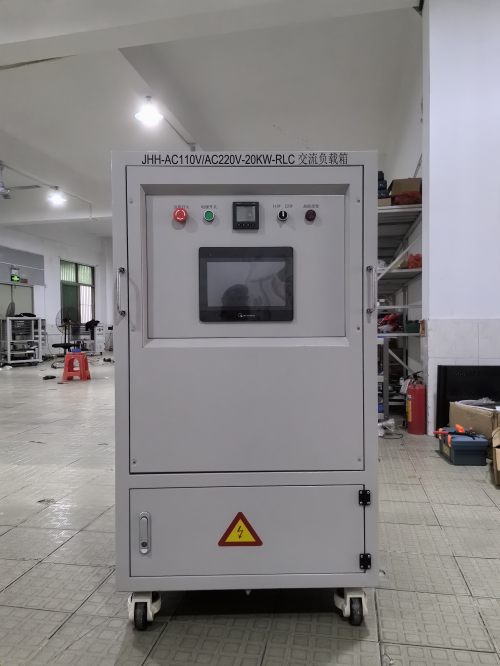
For safety and compliance, always check for CE/UL certifications, grounding integrity, and overtemperature protection. Portable load banks with IP54 ratings are ideal for outdoor or harsh environments. In one anonymized case study from a renewable energy project in East Africa, a solar-diesel hybrid system used a zebra-style load bank sequence to validate generator performance before grid connection—resulting in a 15% improvement in fuel efficiency after optimization based on the test results.
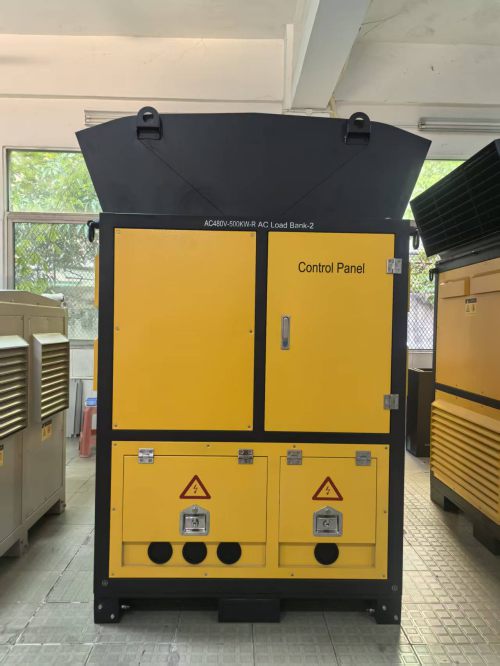
This method isn't just about technical compliance—it's about maximizing uptime, minimizing wear, and ensuring your generator performs under real-life stress. Whether you're doing factory acceptance tests or commissioning new equipment, adopting a “zebra” load bank strategy delivers measurable benefits in both safety and operational performance.